
During the summer months, cooling your home or office is an obvious priority. But you need the right size air conditioner for your space, or you’ll waste money on a unit that doesn’t do the job.
You’re asking the question: What size ac unit do I need? We hope to provide answers in this comprehensive guide.
We’ll walk you through the essential steps to determine the right air conditioner size for your home, ensuring optimal performance and energy efficiency. And we’ll cover a variety of important topics.
If and when the time comes to install a new air conditioner in your home, True North Heating & Cooling can help with expert air conditioning installation services.
Before we get started, here are some key takeaways to keep in mind.
- Selecting the correct size for an AC unit is essential for effective cooling, energy efficiency, and prolonged system lifespan, while improper sizing can lead to discomfort and increased energy costs.
- Understanding AC unit ratings, such as SEER and BTUs, is crucial for choosing an efficient system that meets cooling needs without overworking or underperforming.
- Engaging a qualified HVAC professional for accurate load calculations and system installation ensures optimal performance, energy efficiency, and minimizes the likelihood of frequent repairs.
Keep in mind also that if your AC unit is not performing up to standard it may not be a size issue. It could be that your simply need to get the air conditioning unit repaired.
True North offers professional air conditioner repair in Colorado Springs, CO and Knoxville, TN.
Table Of Contents
- Calculating the Right AC Size for Your Home
- Importance of Proper AC Unit Sizing
- Types of Air Conditioning Systems
- Understanding AC Ratings: SEER and BTUs
- Choosing an Efficient System
- Selecting the Right Installation Company
Calculating the Right AC Size for Your Home
The primary factor determining the size of an air conditioner is the home’s square footage. However, other factors such as insulation quality, ceiling height, and climate zone also need to be considered.
Square footage offers a general guideline for cooling capacity, but adjustments for specific home’s square footage characteristics ensure accurate sizing.
Using Square Footage to Estimate Cooling Capacity
The primary factor in determining the size of an air conditioner is the home’s square footage. To estimate the required BTUs (British Thermal Units) for an air conditioner, follow these steps:
- Multiply the total square footage of your home by 20 to get total BTUs needed for effective cooling.
- Divide the total by 12,000 to get the size in tons.
For instance, a 2,000 square foot home would typically require 40,000 BTUs or 3.33 tons of cooling capacity. Smaller spaces, such as a room size of 350–500 square feet, typically require 8,000–12,000 BTUs for proper cooling.
Understanding the relationship between square footage and BTUs helps in making an informed decision about the right size air conditioner for your home.
Now that you have an estimate based on square footage, you’ll need to consider your home’s other features.
Adjusting for Home Factors
Home characteristics beyond square footage can significantly impact the required size of an air conditioner.
- Ceiling height
- Open floor plans
- Insulation quality
- Sunlight exposure
- Occupancy when estimating AC size from square footage
Rooms with poor insulation or high sun exposure, especially those receiving direct sunlight, will require more cooling power.
The Manual J calculation evaluates more than just square footage; it includes factors like insulation quality, heat-generating appliances, and climate zone. Understanding the climate zone determines necessary BTUs based on the heat load in a specific area.
Importance of Proper AC Unit Sizing
First, why is sizing important when it comes to AC units? It comes down to two things. Temperature control, and energy efficiency.
The right sized air conditioner relative to space will both ensure comfort and enhance energy efficiency, reducing operating costs.
Proper air conditioner sizing prevents unnecessary wear and tear on your system, ensuring it operates efficiently and lasts longer. An AC system of the correct size ensures optimal performance and energy efficiency, making it a vital part of any HVAC setup.
If Your AC Unit Is Too Small
An undersized AC unit will not be able to adequately cool the entire space. Imagine spending a hot summer day with an air conditioner that can’t keep up, leaving some areas of your home warm while others are cool.
This uneven cooling can be particularly frustrating and make your living environment less enjoyable for both humans and pets.
You’ll also need to run the undersized unit more frequently to reach the desired temperature. This significantly raises energy bills. The consequences include:
- Increased energy costs due to constant running
- Wear and tear that reduces overall efficiency over time
- Frequent breakdowns and costly repairs caused by overworking the system
In addition to higher energy costs and reduced efficiency, an undersized system can lead to poor insulation performance. Rooms with poor insulation or high sun exposure will require even more cooling power.
If Your AC Unit Is Too Large
An oversized AC unit may seem like it would provide more cooling power. However, choosing an AC unit that’s too large for the space can lead to a host of problems.
- Short cycling, where the unit frequently turns on and off, reducing its efficiency and lifespan.
- The system doesn’t run long enough to dehumidify the air properly.
- High humidity levels indoors as a result of inadequate dehumidification.
An oversized unit can also lead to higher energy costs. Frequent cycling increases energy consumption, leading to higher energy bills.
Additionally, the increased wear and tear from short cycling can lead to higher maintenance costs over time, as the system requires more frequent repairs and part replacements, particularly when dealing with a larger unit.
Beyond the financial implications, an oversized unit can create an uncomfortable living environment. The rapid cooling cycles can lead to uneven temperature distribution, making some areas of your home too cold while others remain warm.
Ensuring your air conditioner is correctly sized for your home helps avoid these issues.
Types of Air Conditioning Systems
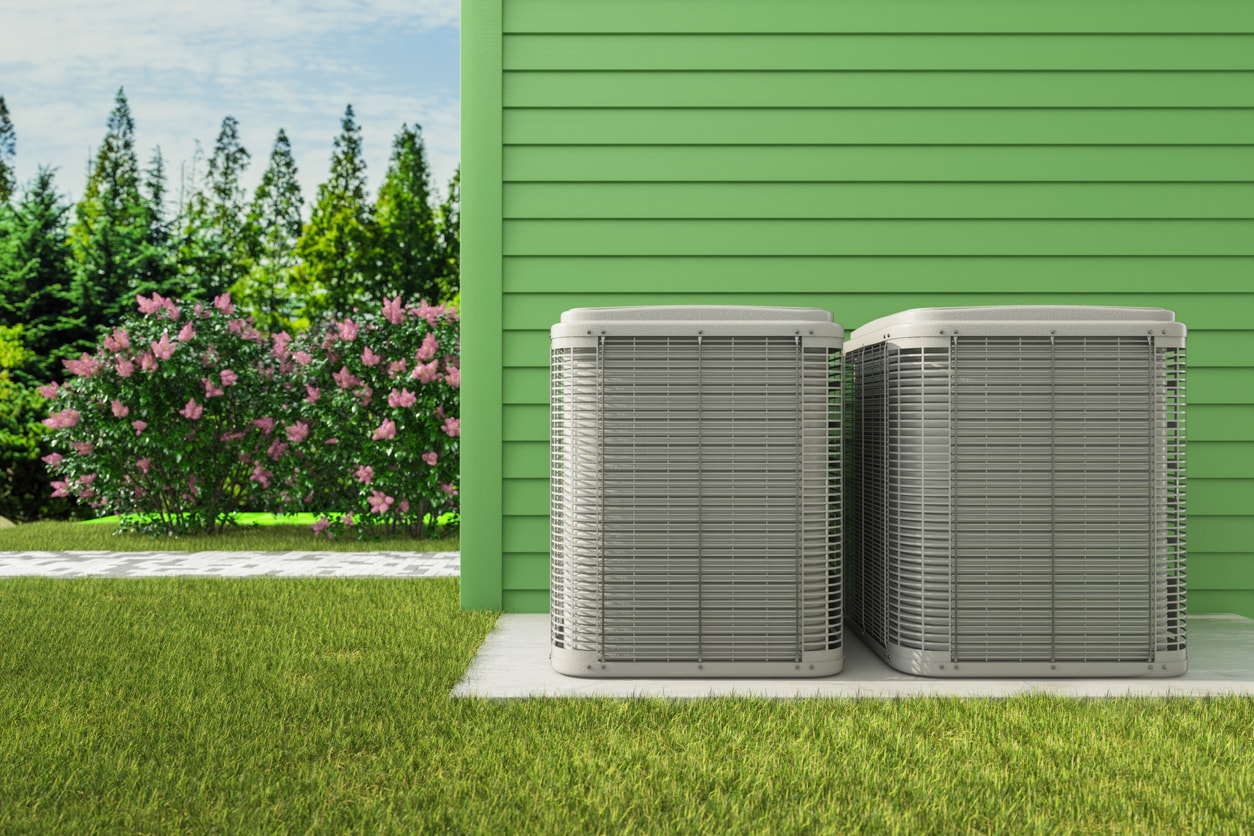
Air conditioning systems come in various types, each with unique applications and benefits.
Understanding the different options available can help you choose the right system for your home. Common types include central air conditioning systems, ductless mini-split systems, and packaged HVAC systems.
There are several types of HVAC systems, each suited for different needs:
- Central air conditioning systems: Popular for whole-house cooling.
- Ductless mini-split systems: Ideal for homes without existing ductwork or for specific zones within a home.
- Packaged HVAC systems: Combine heating and cooling components into a single unit, suitable for homes with limited space.
Central Air Conditioning Systems
Central air conditioning systems typically consist of an outdoor unit, ductwork, and an indoor evaporator coil that together provide whole-house cooling.
These systems are efficient for cooling larger homes and deliver cool air through a network of ducts, ensuring consistent temperatures throughout the living space.
One of the significant advantages of central AC systems is their ability to improve indoor air quality by filtering out pollutants and allergens.
Packaged units, which house all mechanical components in a single outdoor unit, can be configured as single- or two-stage systems, providing flexibility based on your cooling needs.
Central air conditioning systems are designed to offer efficient and consistent cooling, making them an excellent choice for maintaining comfort during the average cooling season. A central air conditioner connecting to existing ductwork makes them a versatile option for many homes.
Ductless Mini-Split Systems
Ductless mini-split systems are versatile and can effectively cool or heat individual rooms without the need for existing ductwork.
These systems consist of one outdoor unit connected to multiple indoor units, allowing for zone-specific cooling. This feature is particularly beneficial for homes with unique layouts or specific areas that require additional cooling.
The installation of ductless mini-split systems is less invasive compared to traditional systems, making them a popular choice for renovations and home additions. Additionally, they offer the flexibility to adjust temperatures in each zone independently, enhancing comfort and energy efficiency.
Packaged HVAC Systems
Packaged HVAC systems combine heating and cooling components into one single unit, making them suitable for homes with limited space.
These systems are typically installed on the roof or a concrete slab near the foundation and connect to the home’s ductwork to deliver conditioned air throughout the space.
One of the main benefits of a packaged system is their compact design, which saves indoor space and simplifies installation. They are available in various configurations, including single- or two-stage systems, to meet different cooling needs.
Packaged units are an efficient and space-saving solution for homes that require both heating and cooling.
Understanding AC Ratings: SEER and BTUs

Understanding AC ratings is crucial for selecting an efficient system. SEER (Seasonal Energy Efficiency Ratio) and BTUs (British Thermal Units) are two key metrics that determine an air conditioner’s efficiency and cooling capacity.
SEER measures the total cooling output over a cooling season relative to the total energy input in watt-hours, while BTUs indicate how much heat the unit can remove in an hour.
Higher SEER ratings mean greater energy efficiency, leading to lower energy bills and reduced environmental impact. The right BTU rating ensures your AC unit can effectively cool your space without overworking or underperforming, and it is essential to consider the proper ton rating.
What is a SEER Rating?
SEER stands for Seasonal Energy Efficiency Ratio, which measures the efficiency of air conditioning systems over a typical cooling season. The SEER rating indicates how efficiently an air conditioner cools by comparing the total cooling output to the energy consumed, making it a crucial metric for selecting efficient systems.
Modern AC systems typically have SEER ratings ranging from 13 to 21, with higher ratings indicating greater energy savings. The recent transition to SEER2 ratings (effective January 1, 2023) includes updated testing requirements for accurate energy consumption assessments.
By comparing SEER ratings, you can compare seer ratings an AC unit that offers optimal energy efficiency and performance.
Selecting an efficient air conditioning system involves considering factors like:
- Energy efficiency: An air conditioner with a high energy-efficiency level will yield better performance and lower energy bills over time.
- Noise level
- Budget: Balancing performance and budget ensures you get a system that meets your needs without overspending.
A SEER rating of 15 or higher is recommended for efficient air conditioners, ensuring optimal energy use and reducing operating costs. Consider extra features such as smart controls and variable speed fans to significantly enhance the efficiency and convenience of your cooling system.
Comparing SEER Ratings
SEER, or Seasonal Energy Efficiency Ratio, measures an AC unit’s efficiency over a cooling season. Key points about SEER ratings include:
- SEER ratings for air conditioners typically range from 13 to 23.6.
- Higher SEER ratings indicate better energy efficiency and lower operational costs.
- In most U.S. areas, the minimum SEER rating for central air conditioners is 14, ensuring a basic level of energy efficiency.
Comparing SEER ratings helps select an air conditioner that offers optimal energy savings. Units with higher SEER ratings are generally more energy-efficient, leading to lower energy bills over time. By comparing SEER ratings, you can choose an AC unit that balances efficiency and cost, providing long-term benefits.
What are BTUs?
BTUs stand for British Thermal Units, which measure the amount of heat needed to raise the temperature of one pound of water by one degree Fahrenheit. Key points about BTUs and air conditioners include:
- Air conditioners are typically measured in BTUs but can also be expressed in BTUh or tons.
- One ton is equivalent to 12,000 BTUs.
- The conversion from BTUh to ton rating can be achieved by dividing the BTUh value by 12,000.
A typical cooling requirement for a 2,000-square-foot would be around 40,000 BTUs, signifying the total cooling capacity needed for effective climate control.
Professional Load Calculation
A professional load calculation is essential for accurate AC unit sizing. Information from a professional energy audit optimizes efficiency, maintains comfort, and maximizes the AC system’s lifespan.
We will explore the components and benefits of a Manual J calculation next.
What is a Manual J Calculation?
A Manual J calculation assesses HVAC capacity in BTUh and is considered an industry standard. This method determines the appropriate size of an air conditioner by considering a variety of factors.
- Square footage
- Insulation
- Air leakage
- Window placement
- Occupant activity
If you’re uncertain about which size AC unit you need, you can schedule a professional load calculation. A Manual J calculation can be performed by an HVAC dealer or energy auditor, ensuring accurate and tailored results for your home’s unique characteristics.
Benefits of Professional Assessment
Engaging a certified HVAC professional provides calculations tailored to your home’s unique characteristics.
TrueNorth Heating & Cooling has over 20 years of experience in providing HVAC services. Our skilled technicians prioritize quality service, and can ensure your AC unit is correctly sized and installed for optimal performance.
Choosing an Efficient System

Modern air conditioners come with various advanced features that enhance convenience and energy efficiency.
Smart air conditioners allow for remote adjustments via smartphones, providing greater control over your cooling system and energy usage. Smart controls like geofencing and energy tracking can optimize energy use and improve user convenience.
Higher SEER2 units often feature multi-speed or variable cooling speeds, which help maintain consistent temperature and improve overall efficiency. Incorporating smart controls and variable speed ceiling fans can lead to lower energy bills and a more comfortable living environment.
Considering these additional features can significantly enhance your AC unit’s performance.
Selecting the Right Installation Company
Finally, you need to choose a qualified installation professional to ensure that your air conditioner is installed correctly and operates efficiently.
A reputable HVAC contractor provides expert advice on selecting the right size air conditioner. They will also make sure your AC unit is properly maintained.
Tips for Hiring a Contractor
When hiring an HVAC contractor, you want to choose a company that conducts thorough load calculations rather than relying on basic rules of thumb. This ensures that your air conditioner is accurately sized for your home, preventing issues related to undersized or oversized units.
Additionally, avoid selecting a contractor based solely on price, as the cheapest option may not always provide the best service or quality.
Choosing the right HVAC contractor is crucial for ensuring the effective installation and service of your AC unit. Look for contractors with a proven track record, positive customer reviews, and a commitment to quality service. By taking these factors into consideration, you can ensure that your air conditioning system is installed and maintained to the highest standards.
Why Choose TrueNorth Heating & Cooling?
TrueNorth is a reputable HVAC contractor with a strong commitment to quality service and over 20 years of experience in providing HVAC services to both residential and commercial properties.
Our skilled technicians prioritize quality service, ensuring your air conditioning system is correctly sized and installed for optimal performance. We also offer AC unit maintenance to keep your air conditioner in great shape.
<<Call 719-452-1800 Today>>
Frequently Asked Questions
How many square feet does a 3 ton AC unit cover?
A 3-ton air conditioner generally cools between 1,500 and 2,000 square feet, but several key factors can influence that range. Your home’s insulation, ceiling height, climate zone, and sun exposure all affect the cooling power needed for comfort. Homes in hotter, more humid areas or with poor insulation may require additional capacity, while energy-efficient homes often need less. For an accurate estimate, it’s best to schedule a professional Manual J load calculation, which measures your home’s exact cooling requirements. This ensures you get the right size AC unit for optimal energy efficiency and consistent comfort.
What size AC unit do I need for a 2000 square foot house?
For a 2,000-square-foot home, most HVAC experts recommend a 2.5- to 3-ton AC unit, depending on your home’s construction and regional climate. A 2.5-ton system (around 30,000 BTUs) typically works well for homes with strong insulation and moderate heat exposure. In warmer climates or homes with higher ceilings, a 3-ton unit (about 36,000 BTUs) may be a better fit to maintain a steady desired temperature. Factors such as sun exposure, window type, and ductwork design also affect performance. A Manual J load calculation from a qualified technician provides the most precise recommendation, ensuring your AC system is properly matched to your home’s size and efficiency needs.
How many square feet will a 5 ton AC cool?
A 5-ton AC unit is designed to cool roughly 2,400 to 3,300 square feet, depending on your home’s insulation quality, layout, and climate conditions. In regions with intense heat or humidity, that cooling range may be closer to the lower end, around 2,400 sq. ft. Conversely, in well-insulated or shaded homes, the same unit can comfortably serve larger spaces. It’s important to consider air flow, ductwork condition, and energy efficiency when determining whether a 5-ton unit is appropriate. Because every home is unique, a professional load calculation remains the most reliable way to identify the ideal unit size for your space.
What is the 3 minute rule for AC?
The 3-minute rule means waiting at least three minutes before turning your air conditioner back on after it’s been shut off. This short pause allows the system’s refrigerant pressure to equalize, protecting the compressor from unnecessary strain. Restarting too quickly can cause electrical or mechanical damage and shorten the life of your AC unit. While modern HVAC systems often include built-in delays to prevent this issue, developing the habit adds an extra layer of safety. Following the 3-minute rule helps preserve your system’s efficiency, reduce repair costs, and extend your unit’s overall lifespan.
Is it better to oversize or undersize AC?
Neither an oversized nor an undersized air conditioner is ideal — the goal is to find the right air conditioner size for your home’s needs. An oversized AC unit cools the air too quickly, causing short cycling, which prevents proper dehumidification and creates inconsistent indoor temperatures. On the other hand, an undersized system runs constantly, using more energy and wearing out faster while still failing to keep the home cool. Both scenarios lead to higher energy bills, more frequent AC repairs, and reduced comfort. The best approach is a professional load calculation that ensures your system has the perfect cooling capacity for your home’s square footage and climate zone.
What is the primary factor in determining the size of an air conditioner?
The main factor in determining the size of an air conditioner is your home’s square footage, but other variables like ceiling height, sun exposure, climate zone, and insulation quality play major roles. A proper Manual J load calculation considers all these factors to determine the right air conditioner size for your home. This process calculates the required cooling capacity, measured in British Thermal Units (BTUs) per square foot, ensuring your system has the proper ton rating for efficient operation. A unit that’s correctly sized delivers balanced air flow, consistent comfort, and better energy efficiency throughout your living space. Working with a professional HVAC system specialist helps you select an energy efficient model that matches your home’s exact needs.
What are the consequences of an undersized AC unit?
An undersized AC unit will struggle to keep your living space at the desired temperature, especially during the average cooling season. Because the ac system has less cooling power than your home requires, it must run constantly to compensate, leading to higher energy bills, premature wear, and possible breakdowns. You may also notice uneven cooling between rooms or poor air flow, especially in areas with direct sunlight or poor insulation. The longer run times of an undersized system increase ac costs and reduce energy efficiency, making it harder to maintain cool air during hot days. For homes like a 2,000 square foot home, a Manual J calculation ensures your ac unit size is neither too small nor too large for maximum comfort and savings.
How does an oversized AC unit affect indoor humidity levels?
An oversized unit cools the air too quickly, which causes it to short cycle—turning on and off frequently before removing sufficient moisture from the air. This results in higher indoor humidity, sticky air, and potential mold or mildew issues. Over time, short cycling can also lead to higher energy costs, uneven cooling, and added wear on your central air conditioner components. A professional load calculation prevents this by ensuring your AC size matches your home’s total square footage, insulation, and sun exposure. Choosing the right size air conditioner keeps humidity balanced, maintains energy efficiency, and provides the steady cooling output your home needs for comfort throughout the season.
Why is a professional load calculation important?
A professional load calculation—often called a Manual J calculation—is essential for correctly sizing air conditioners. This process measures square footage, ceiling height, climate zone, insulation levels, heat-generating appliances, and even the number of occupants to determine the ideal system capacity. Without it, you risk installing a unit that’s too small or a larger unit that wastes energy and fails to dehumidify properly. Proper air conditioner sizing ensures an efficient system that maintains your desired temperature while keeping energy bills low. An experienced HVAC company will use these calculations to design a cooling system—whether central AC, packaged units, or window units—that offers long-term energy efficient comfort.
What SEER rating is recommended for efficient air conditioners?
For most homes, a Seasonal Energy Efficiency Ratio (SEER) rating of 15 or higher is recommended to achieve an energy efficient and cost-effective cooling system. A higher energy efficiency ratio means your air conditioner provides more cooling output per unit of energy consumed, helping lower operating costs and energy bills. When comparing models, always compare SEER ratings and look for the ENERGY STAR label, which indicates top-tier performance. A central air conditioner or packaged system with a high SEER rating maintains consistent cool air while minimizing ac costs over time. By pairing the right size AC unit with a high-efficiency model, homeowners enjoy better comfort, reliability, and savings throughout every average cooling season.