
Before you commit to a new heating system, you need to understand what’s available.
There are a lot of different types of heaters out there, and each option offers a balance of performance, efficiency, and cost.
At True North Heating, we have years of experience in heating and furnace installation and furnace repair. We’re in the business of helping our customers compare heating systems and find the perfect fit for their needs.
In this article, we’ll explore how each type of heater works, highlight their pros and cons, and share insider tips to help you make the smartest investment for your home.
If you want expert insight on finding the best heater, you’re in the right place.
Key Takeaways
- Home heating systems vary widely, with options including electric heaters, gas heaters, central heating systems, and specialty heaters, each suited for specific needs.
- Electric heaters, such as convection, infrared, and oil-filled models, provide targeted warmth and safety features, while gas heaters require proper installation and maintenance for efficiency and safety.
- Central heating systems offer whole-home comfort by efficiently distributing heat from a central source, with options including furnaces, boilers, and heat pumps, while portable and outdoor heaters extend heating solutions beyond traditional settings.
Home heating systems are as varied as the homes they warm. Understanding the array of options available is crucial for maintaining a comfortable indoor environment.
Each type of heater utilizes thermal energy differently, and is tailored to specific needs and preferences. You may require supplemental heat for a single room or a comprehensive solution for an entire house.
Whatever your situation, there’s a heating system designed help you ensure comfort, efficiency, and safety in your home.
Central Heating Systems
Central heating systems are essential for maintaining whole-home comfort. These systems distribute heat throughout a home from a single source, such as a central furnace, boiler, or heat pump, ensuring consistent warmth.
They are integrated into modern HVAC systems, offering both heating and cooling systems capabilities for comprehensive climate control.
The main types of central heating systems include furnaces, boilers, and heat pumps. These systems enhance overall comfort and efficiency, making them a vital component of home heating solutions.
Gas Heaters
Gas heaters, particularly gas furnaces, are a widely used and efficient home heating option. Gas heaters can be very cost-effective. However, gas furnace systems require proper installation and maintenance to ensure safety and optimal performance.
There are two main types of gas heaters: flued and unflued. Flued heaters vent emissions outside, making them a safer option for indoor use, while unflued heaters must be used with proper ventilation to avoid dangerous emissions and carbon monoxide poisoning.
If you want to install a gas heater, it’s a good idea to consult an HVAC professional for proper sizing and installation.
Furnaces
Furnaces operate by blowing heated air through ducts to distribute warmth throughout a home. The heat is generated by the combustion air of a fuel source, such as natural gas, propane, heating oil, or electricity, in a heat exchanger.
This process ensures rapid and efficient heating, making furnaces suitable for extremely cold climates.
The efficiency of a furnace is measured by its Annual Fuel Utilization Efficiency (AFUE), which indicates how effectively it uses fuel to produce heat and improve energy efficiency.
Proper furnace installation and maintenance are crucial to ensure optimal performance and safety.

Natural Gas Heaters
Natural gas heaters require a dedicated gas line and proper venting to operate safely. These heaters are known for their cost-effectiveness and efficiency, providing consistent and reliable warmth.
They are a common choice for many homeowners due to their ability to heat large spaces quickly and efficiently.
Proper installation and maintenance ensure the safe operation of natural gas heaters. Regular checks and servicing by qualified professionals help maintain their efficiency and longevity, making them a dependable home heating choice.
Radiant Floor Heating
Boilers generate radiant heat by burning fuel to produce steam or hot water, which is then distributed throughout the home via hydronic systems and boiler systems.
These hot water systems are known for their ability to provide even heating and comfort, particularly through radiant heating and radiant floor heating.
Residential boilers commonly utilize natural gas as a fuel source. Alternatively, they may also use heating oil. Condensing gas fired boilers and oil fired condensing boilers can achieve high efficiency ratings, making them an energy-efficient heating option.
However, installing a new boiler system can be expensive due to the need for piping and radiators.
Heat Pumps
Heat pumps are highly energy-efficient systems that provide both heating and cooling capabilities, making them ideal for year-round use.
They work by transferring heat from one area to another, utilizing either outdoor air (air-source heat pumps) or the ground (ground-source heat pumps).
Air-source heat pumps draw heat from the outdoor air, while ground-source heat pumps, also known as geothermal heat pumps, use the consistent temperature of the ground for heating and cooling.
These systems are more efficient than traditional electric heating options, with installation involving buried loops for ground-source varieties or duct systems for an air source heat pump.
Space Heaters
Space heaters are designed for heating individual rooms or small areas, offering a quick and efficient solution to cold spots. Types of space heaters include:
- Convection heaters
- Infrared heaters
- Ceramic space heaters
- Fan heaters
- Panel heaters
Modern space heaters often come equipped with adjustable thermostats and safety switches. These features enhance effectiveness and safety.
When using space heaters and other heating devices, prioritize safety by checking for modern safety features and following usage guidelines. These heaters provide targeted warmth, making them an effective supplemental heat source for small spaces.
Despite their benefits, electric space heaters may incur higher long-term operating costs due to electricity consumption. However, their portability and variable temperature controls offer significant convenience.
Here are the different types of electric heaters in more detail.

Convection Heaters
Convection heaters are designed to provide gentle, consistent warmth by heating the circulating air in a room. As the air warms, convection heaters warm and circulate, ensuring an even distribution of heat throughout the space.
This method of heating is ideal for creating a comfortable environment, especially when you need a steady temperature.
Convection heaters are known for their safety, particularly panel and oil-column models, which are safer to touch and have lower surface temperatures. Their design also prevents tip-overs, which is a great feature.
Convection heaters do not require ventilation, though some airflow can help maintain optimal air quality. Some models feature mica-thermic panels, enhancing heating efficiency and performance. Overall, they are a reliable and safe choice for gentle, consistent warmth.
Infrared Heaters
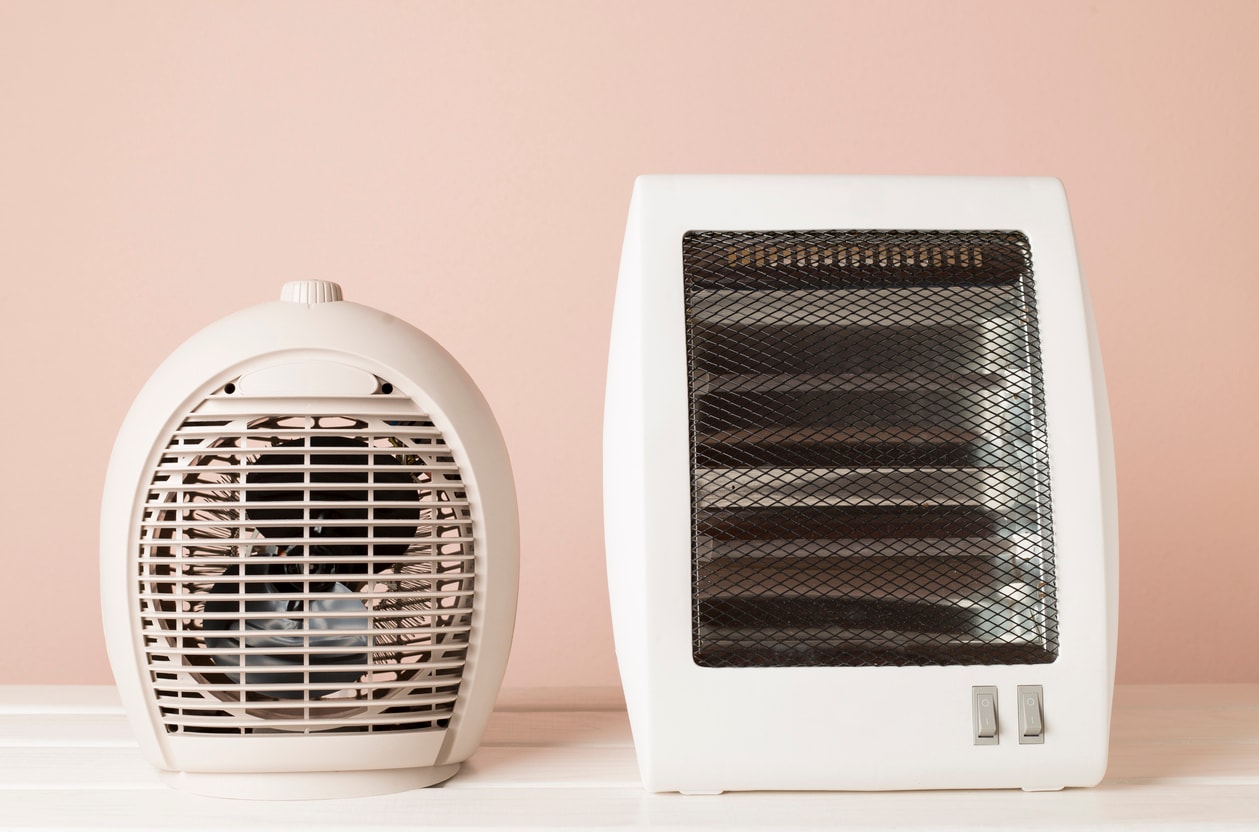
Infrared heaters operate by emitting infrared rays that directly warm people and objects in their path, rather than heating the air.
This direct heat form of heating is highly efficient and effective for spot heating, making it ideal for quickly warming specific areas. Infrared heaters radiate heat and provide immediate and targeted warmth.
These heaters are ideal for environments needing quick, focused heating. They maintain indoor air quality since they don’t circulate air, which can stir up dust and allergens. In short, infrared heaters are best for efficiently heating specific areas.
Oil-Filled Radiator Heaters
Oil-filled heaters are great when you want to retain heat for extended periods, providing gradual and consistent warmth.
These heaters work by using electricity to heat a metal coil, which in turn heats the fuel oil inside the unit to create steam. This steam circulates within the oil heater and oil heaters, radiating warmth long after the unit has been turned off, thanks to the heating element and metal heat exchanger.
While oil-filled heaters take longer to heat up, their ability to retain heat makes them excellent for maintaining a consistent temperature.
Fan Heaters
Fan heaters are designed to provide heated air by blowing hot air and forced air directly into a room.
A fan heater is an excellent option for quickly warming up a small space, like your bedroom or office. The immediate warmth they provide is ideal for getting comfortable quickly on a cold morning.
Fan heaters are portable and available at various price points. However, they can be noisy, which may be distracting in some environments. Despite this, they remain popular for their efficiency and convenience in providing quick warmth.
Outdoor Heating Solutions
Outdoor heating solutions have gained popularity as homeowners seek to extend the usability of their outdoor spaces. These solutions provide warmth and comfort, allowing for outdoor activities and gatherings even during cooler weather. Propane heaters, for instance, can be used in off-grid locations, making them a versatile choice for various heating needs.
Here are two popular outdoor heating options: fire pits and chimineas. These options provide warmth and enhance the ambiance of outdoor spaces.

Fire Pits
Fire pits are excellent outdoor heating solutions, providing both warmth and ambiance for gatherings. They can be designed as above-ground structures that use either wood or gas as fuel, enhancing functionality and aesthetic appeal.
Gas fire pits ignite easily and are often considered more user-friendly compared to wood-burning fire pits.
Whether for a family gathering or a cozy evening outdoors, fire pits offer a versatile and attractive heating option. They are perfect for creating a warm and inviting atmosphere in your outdoor living space.
Chimineas
Chimineas are traditionally made from clay and metal, combining durability with aesthetic appeal.
These outdoor heaters are designed to direct smoke upwards while radiating heat around the vicinity, ensuring a comfortable outdoor experience. The primary fuel source for chimineas is wood, which provides a natural and warm glow.
Chimineas add a charming and rustic element to outdoor spaces, making them a popular choice for homeowners looking to enhance their outdoor heating setup. They are not only functional but also serve as a beautiful focal point in any garden or patio.
Propane Heaters
Propane heaters offer versatility in both indoor and outdoor applications. These heaters generate heat by converting liquid propane into gas, using an electric coil to create a flame that warms metal fins.
This process provides high energy content, making propane heaters an effective alternative in areas with limited access to natural gas and oil.
A notable example of propane heaters’ versatility is their use in patio heaters, which extend the usability of outdoor spaces during cooler weather. Whether for indoor or outdoor use, propane heaters are a flexible and efficient heating solution.
Garage Heaters
Garage heaters are designed to operate efficiently in poorly insulated spaces like garages and workshops. They ensure consistent warmth in typically challenging areas and can be powered by either electric or gas options, offering flexibility in fuel sources.
Garage heaters are an excellent choice for homeowners needing to maintain a comfortable working environment in their garages during colder months. Their ability to heat areas quickly makes them a practical and efficient solution.
Patio Heaters
Patio heaters are designed to provide warmth in outdoor spaces, making them ideal for enjoying your patio even during cooler weather. There are various types of patio heaters available, including freestanding, tabletop, and wall-mounted units.
Patio heaters extend outdoor gatherings and activities, enhancing comfort during colder months. They are popular for homeowners looking to extend the usability of their outdoor spaces.
Specialty Heaters
Specialty heaters are tailored for specific applications and living spaces, providing effective warmth where traditional systems may not fit.
These radiant heaters are ideal for environments with specific architectural designs or space constraints, showcasing advanced heating technology.
Let’s explore a few types of heaters.
Baseboard Heaters
Baseboard heaters are electric heaters installed at floor level along walls. They operate by heating the air near the floor, which then rises to warm the room evenly.
These heaters are a type of convection heater, either water/oil-filled or electric, providing consistent and gentle warmth.
Baseboard heaters are ideal for supplementing heat in rooms where central heating may not be sufficient. Their discreet installation along walls makes them a practical choice for maintaining a comfortable temperature without taking up much space.
Toe-Kick Heaters
Toe-kick heaters are compact heating solutions designed to fit in narrow spaces, such as the gap between the floor and cabinets in kitchens and bathrooms.
These heaters can operate using either electric elements or hot water from the home’s heating system, providing efficient heat in compact areas.
Discreetly installed, these heaters are perfect for spaces where larger units are impractical. They integrate seamlessly into cabinetry, ensuring even the smallest rooms remain cozy.
Ceiling Heaters
Ceiling heaters distribute heat evenly from overhead, making them suitable for rooms with limited wall space or commercial settings.
These heaters are installed in the ceiling and provide warmth by radiating heat downward, ensuring a uniform temperature throughout the space.
Ceiling heaters are useful in environments with limited floor or wall space, offering an efficient and unobtrusive heating solution. They are practical for maintaining comfort in both residential and commercial settings.
Industrial Heaters
Industrial heaters are designed to maintain controlled temperatures in large environments, such as warehouses and manufacturing plants.
These heating equipment ensure efficient heating performance, even under challenging conditions, making them essential for industrial applications.
By converting energy from various sources into thermal energy, industrial heaters effectively provide heat and maintain desired temperature levels in large spaces.
These systems are designed to transfer heat efficiently and utilize heat energy. Let’s examine two common types of industrial heaters: unit heaters and duct heaters.
Unit Heaters
Unit heaters are designed specifically for industrial spaces and warehouses. They are also suitable for use in manufacturing plants.
They provide a concentrated flow of warm air, ensuring that large areas are heated efficiently and effectively. These heaters are robust and capable of withstanding industrial conditions while delivering reliable heating performance.
Unit heaters are a practical choice for maintaining comfort and productivity in large industrial environments.
Duct Heaters
Duct heaters play a crucial role in integrating with HVAC systems, providing heated air throughout an industrial facility. Their primary purpose is to ensure uniform distribution of heat, enhancing the overall efficiency of the heating system.
By working in conjunction with HVAC systems, duct heaters help maintain consistent and comfortable temperatures in large industrial spaces. They are essential for ensuring that all areas of a facility receive adequate warmth, supporting both comfort and operational efficiency.
Choosing the Right Heater for Your Home
Choosing the right heater involves understanding the differences among various systems and considering factors like home size, budget, and specific heating needs.
Budget constraints can influence your choice, guiding you to the most cost-effective and efficient options. Integrating smart thermostats with central heating systems further enhances efficiency and comfort by automating temperature control.
By carefully evaluating these factors, you can select an energy efficient heating options solution that best suits your home and lifestyle.
Summary
In summary, this guide has explored a wide range of heating solutions, from electric and gas heaters to central and portable systems.
By understanding the characteristics and advantages of each heating system, you can make an informed decision that ensures comfort, efficiency, and safety in your home.
The right heater can transform your living space into a warm and inviting sanctuary, no matter the season. If you need help installing or repairing a heater or furnace in Colorado Springs or Knoxville, True North Heating can help!
Frequently Asked Questions
What are the three types of heaters?
The three types of heaters are Central Heat Furnaces, Traditional Boilers, and Heat Pumps. Each serves a specific purpose in home heating, catering to different needs and preferences.
What are the benefits of using electric heaters?
Using electric heaters provides long-lasting performance, straightforward installation, and the advantage of delivering efficient, localized warmth. These features make them a practical choice for effective heating solutions.
How do convection heaters work?
Convection heaters operate by heating the air that circulates within a room, ensuring a consistent and gentle warmth throughout the space. This process allows for effective heat distribution without creating hot spots.
Are gas heaters safe to use indoors?
Gas heaters can be safe for indoor use if they are correctly installed and maintained, particularly flued models that vent emissions outside. However, unflued heaters must have adequate ventilation to prevent hazardous emissions.
What are the advantages of heat pumps?
Heat pumps offer the advantage of energy efficiency, as they can efficiently provide both heating and cooling, making them suitable for year-round use. This dual functionality contributes to lower energy consumption and cost savings for homeowners.