
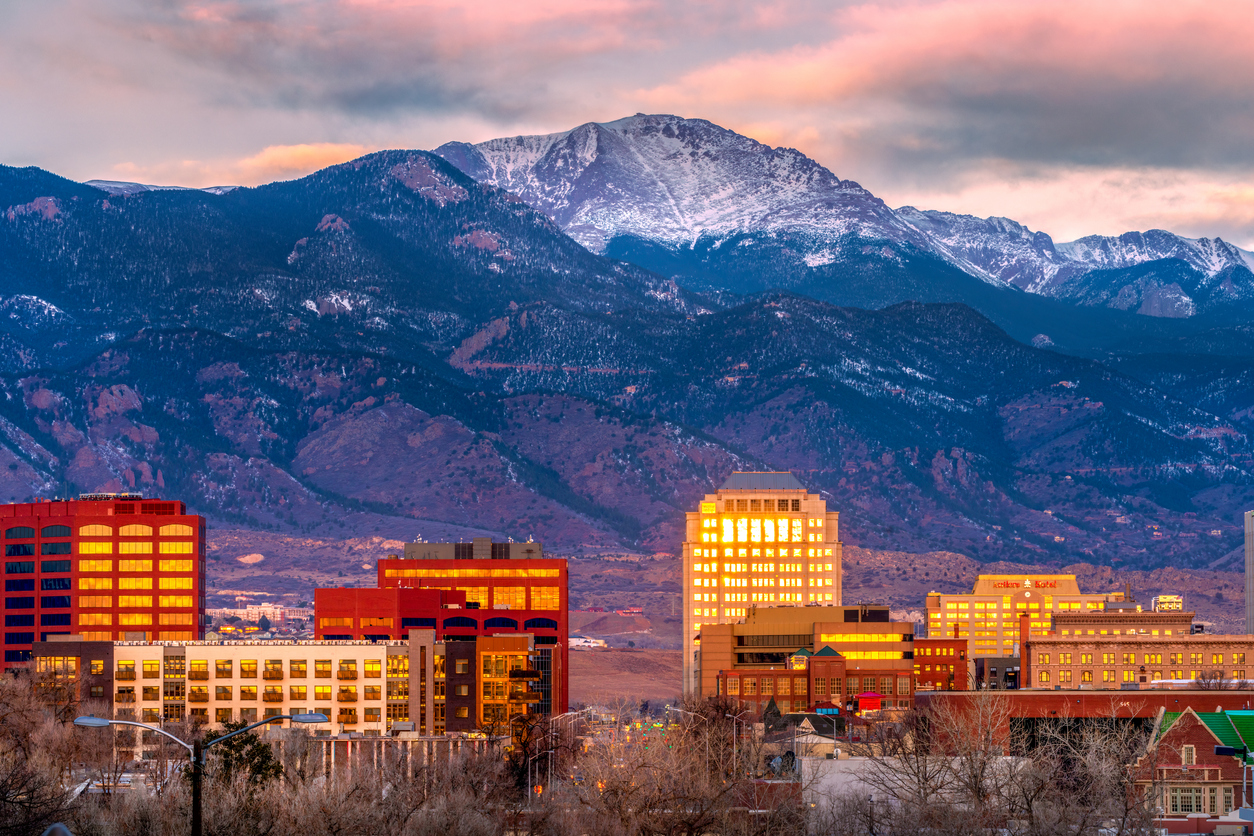
If you’ve ever wondered why your AC system in Colorado Springs or Denver feels like it’s working twice as hard for the same cool breeze you felt at sea level—you’re in the right place.
Below, you’ll find real elevation, climate, and temperature data from 16 U.S. cities. We’ll unpack how reduced air density, lower atmospheric pressure, thinner air, and even extreme temperature fluctuations change the way an AC unit cools your home.
Why Altitude Changes AC Performance
At high altitudes, the air is thinner. There are fewer air molecules available to carry heat away from your home. That means your air conditioning system (or any cooling system, including ductless mini split systems) has less cooling power to work with.
Here’s what’s going on:
- Lower air density = less efficient heat transfer
Thinner air passing across your evaporator coil and condenser coil pulls less heat from your home. - Lower air pressure slows airflow
Fans move less air through the system, reducing cooling efficiency and system capacity. - AC systems must run longer
Longer runtimes mean increased energy consumption and a steeper climb toward comfort and energy efficiency. - At higher altitudes “3 tons” doesn’t mean 3 tons
That same AC system may deliver only 80–90% of its rated cooling capacity in high altitude environments.
These effects stack together, creating a unique cooling challenge for high altitude homes in places like Denver, Colorado Springs, Salt Lake City, Santa Fe, or Albuquerque.
City-by-City Comparison: Elevation, July Temperatures, and Cooling Demand
Below is an examination of 16 U.S. cities and how altitude affects AC performance.
U.S. City Elevation & AC Demand Table
| City | Elevation | Avg July Temp | Annual Cooling Demand (CDD) | Notes |
|---|---|---|---|---|
| New Orleans, LA | ~1–2 ft below sea level | ~91°F | ~3,000+ CDD | Sea-level density = full AC capacity. Very humid summers. |
| Miami, FL | ~6 ft | ~91°F | ~4,500 CDD | Extremely high cooling needs. |
| Houston, TX | 50–80 ft | ~94°F | ~3,150 CDD | No altitude derate. Very heavy AC usage. |
| New York, NY | 0–400 ft | ~84°F | ~1,200 CDD | Sea-level density, moderate summers. |
| Los Angeles, CA | ~285 ft downtown | ~82°F | ~1,250 CDD | Coastal influence reduces heat load. |
| Seattle, WA | ~175 ft avg | ~79°F | ~200 CDD | Very mild summers; minimal AC use. |
| Chicago, IL | ~579 ft | ~85°F | ~1,000–1,100 CDD | No meaningful altitude effects. |
| Knoxville, TN | ~900 ft | ~88°F | ~1,200 CDD | Hot, humid summers; minimal altitude derate. |
| Kansas City, MO | ~910 ft | ~90°F | ~1,360–1,670 CDD | Continental climate with high AC use. |
| Atlanta, GA | ~1,050 ft | ~89–90°F | ~1,800+ CDD | High humidity; slight altitude impact only. |
| Phoenix, AZ | ~1,086 ft | ~106°F | ~4,600 CDD | Extreme heat dominates; minor altitude effect. |
| Denver, CO | 5,280 ft | ~90°F days / cool nights | ~770 CDD | ~8–10% AC capacity loss. |
| Colorado Springs, CO | ~6,035 ft | ~85°F | ~455 CDD | ~15–20% capacity derate. |
| Salt Lake City, UT | ~4,300 ft | ~94°F | ~1,160 CDD | ~5–7% AC loss at elevation. |
| Albuquerque, NM | ~5,312 ft | ~92°F | ~1,320 CDD | ~10% AC derate; dry climate. |
| Santa Fe, NM | ~7,000 ft | ~85°F | ~645 CDD | 20%+ derate due to very thin air. |
Sources: timeanddate.com, uncovercolorado.com, denver7.com, currentresults.com, geographyrealm.com
Key Takeaways: How Altitude Affects AC Systems
This table gives us some helpful data. As you can see, thinner air means lower AC performance. At higher altitudes, reduced air density means your AC unit transfers heat less efficiently.
Expect capacity loss at higher altitudes
According to industry sources, AC systems can lose 3–4% capacity per 1,000 feet of elevation.
- ~10% loss in Denver
- 15–20% loss in Colorado Springs
- 20%+ loss in Santa Fe
Higher energy use at altitude
A study cited from The Furnace Outlet shows Denver homes may use 30–50% more energy to reach the same temperature as a home at sea level.
Climate and altitude interact
Colorado Springs and Santa Fe have milder summers overall (fewer cooling degree days), but on hot days their AC units must work harder because the air is thinner.
Modern HVAC systems can compensate
High altitude HVAC choices often include:
- Variable speed drive motors
- Larger heat exchangers
- Smart thermostats for precise temperature control
- High-efficiency HVAC components designed for thin air
Final Thoughts
Whether you’re evaluating cooling systems for a high altitude home or trying to make sense of the unique cooling challenges that come with high elevation, the data makes one thing clear:
Altitude affects AC performance—sometimes dramatically. But with the right HVAC system, proper sizing, and smart technology, you can reduce energy consumption and keep your cooling efficiency on track, even when the air is thin.
Frequently Asked Questions
How does high altitude affect an air conditioner’s performance?
High altitude locations have thinner surrounding air and reduced air pressure, which lowers an air conditioner’s ability to transfer heat effectively. With fewer air molecules and less oxygen moving across the coils, air movement decreases and the unit loses some of its cooling capacity. This means your AC must run longer to deliver optimal cooling performance, which affects overall system efficiency and power consumption.
Why does air flow matter so much for AC efficiency at elevation?
At higher elevations, reduced air pressure slows air flow through the system, forcing your AC to work harder. Because air conditioners rely on steady, consistent airflow to maintain peak efficiency, even small airflow restrictions can impact hvac performance. Clean air filters, properly sized ducts, and strong fans help restore system capacity so the unit can operate efficiently in high altitude settings.
Does altitude impact indoor air quality or humidity control?
Yes. Areas with high elevation often experience dry air, which can change how your system handles humidity control and indoor air quality. Since the surrounding air carries less moisture, your cooling system may remove less humidity than it would at sea level. Homes in high altitude settings benefit from upgraded ventilation systems, whole-home humidifiers, or air purifiers to maintain healthy indoor air quality.
Do heating systems also perform differently at higher elevations?
They do. High altitude heating systems—especially those relying on combustion—can see reduced furnace efficiency because the burners receive less oxygen. Less oxygen means less complete combustion, which directly impacts heat output. HVAC contractors often adjust gas pressure, modify burners, or select high-altitude-rated equipment to keep heating and cooling systems performing safely and efficiently.
How can I improve overall system efficiency if I live at a high elevation?
Start by optimizing airflow and heat exchange. Clean air filters, open vents, and clear ductwork help restore airflow in thin air conditions. Upgrading to efficient heat exchangers, variable-speed blowers, or high-efficiency air conditioners can also improve thermal performance. Smart thermostats and properly sized equipment go a long way toward boosting your HVAC system’s performance and reducing power consumption in high altitude homes.
Does high altitude affect both cooling efficiency and energy consumption?
Yes—because altitude reduces heat exchange efficiency, your AC must run longer to achieve the same cooling output. That means higher energy use and lower ac efficiency compared to the same unit operating at sea level. High altitude locations often require slightly larger or higher-efficiency units to maintain energy efficient cooling while keeping utility bills manageable.