
HVAC maintenance plans are designed to prevent breakdowns, lower utility bills, and keep homes comfortable. These plans typically include two precision tune ups per year: a spring AC maintenance check before the heat arrives and a fall heater or furnace inspection before the first freeze.
Maintenance plans help extend furnace and air conditioner lifespan by years, reduce the need for emergency repairs, and provide predictable costs that fit into your monthly budget. For Colorado Springs homeowners dealing with elevation, dry air, and frequent temperature changes, regular HVAC maintenance is highly recommended.
What is an HVAC Maintenance Plan?
An HVAC maintenance plan is a scheduled service agreement for your furnace, air conditioner, and heat pump system, focused on preventative maintenance instead of waiting for something to break. Think of it like routine oil changes for your car. Small investments now can prevent expensive repairs later.
Here’s how it works in practice: an HVAC technician visits your home twice per year, typically March through May for cooling systems and September through November for heating. During each visit, a trained technician inspects, cleans, and tunes your equipment to keep everything running at optimal performance.
These plans cover both heating and cooling equipment, including but not limited to:
- Gas furnaces
- Central AC units
- Heat pumps (in both heating and cooling modes)
- Ductless mini-split systems
One important distinction: a maintenance plan is different from an extended warranty. While warranties cover parts that fail under specific conditions, a maintenance program keeps your equipment running within manufacturer specifications.
HVAC maintenance plans typically offer priority scheduling for service during high demand periods. Some HVAC companies in Colorado Springs offer priority service and discounts on repairs as part of their maintenance plans.
For homeowners, this translates to fewer surprise breakdowns during peak seasons and a predictable, budget-friendly way to care for your HVAC system.
Our Maintenance Plans
True North Heating structures its HVAC maintenance plans specifically for Colorado Springs homes, taking into account local climate challenges and equipment configurations. Most local HVAC companies like True North cater to high altitude demands and seasonal shifts specific to Colorado Springs.
Plans are available for single-system homes (one furnace plus one AC) as well as multi-system properties, townhomes, and small offices throughout the Colorado Springs area.
What’s Included in a Typical HVAC Maintenance Visit
Understanding exactly what happens during a maintenance visit helps you appreciate the value of professional care. For example, carbon monoxide testing is included in HVAC maintenance plans for systems with gas furnaces. Here’s an itemized breakdown of what technicians do when they arrive at your home.
Heating System Visits (Furnace or Heat Pump in Heating Mode)
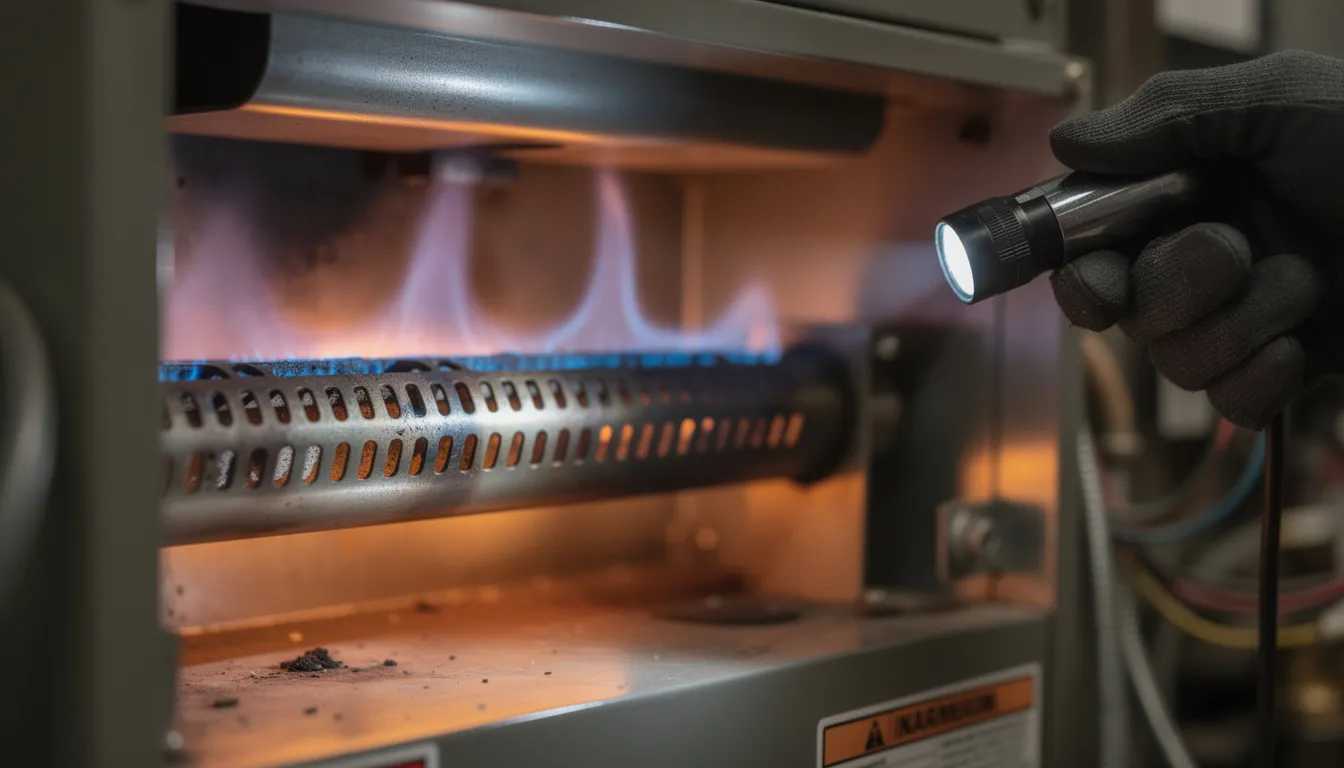
- Inspect heat exchanger for cracks that could leak combustion gases
- Test ignition and safety controls
- Check gas pressure and verify proper combustion
- Measure carbon monoxide levels to ensure safe operation
- Verify flue venting is properly connected and free of obstructions
- Inspect blower motor and electrical connections for wear
- Lubricate bearings and moving parts to reduce friction
Cooling System Visits (Central AC or Heat Pump in Cooling Mode)
- Check refrigerant levels and pressures against manufacturer specifications
- Inspect and rinse outdoor condenser coil to maintain heat transfer
- Test temperature split across the evaporator coil
- Check amp draw on motors and compressor
- Verify proper airflow
- Clear condensate drain lines to prevent water damage
Both types of visits include basic cleaning of burners and blower compartments, tightening electrical connections, and verifying thermostat operation. These are all designed to improve system efficiency and prevent minor issues from becoming major problems.
Most HVAC technicians will then provide a written or digital report summarizing your system’s current condition, any code or safety issues discovered, and recommended repairs or upgrades.
Safety and Performance Checks
Safety elements deserve special attention because they directly protect your family. These checks are particularly important in older Colorado Springs homes built before the 1990s, where original equipment or ductwork may still be in use.
Gas furnace safety checks include:
- Verifying that no carbon monoxide leaks exist
- Inspecting gas lines and shutoff valves for corrosion or damage
- Ensuring flue pipes are properly connected and free of backdrafting issues
Electrical systems safety checks include:
- Tightening all connections to prevent arcing
- Inspecting contactors and relays for wear
- Verifying breakers and disconnects are correctly sized for your equipment
Airflow and filtration checks include:
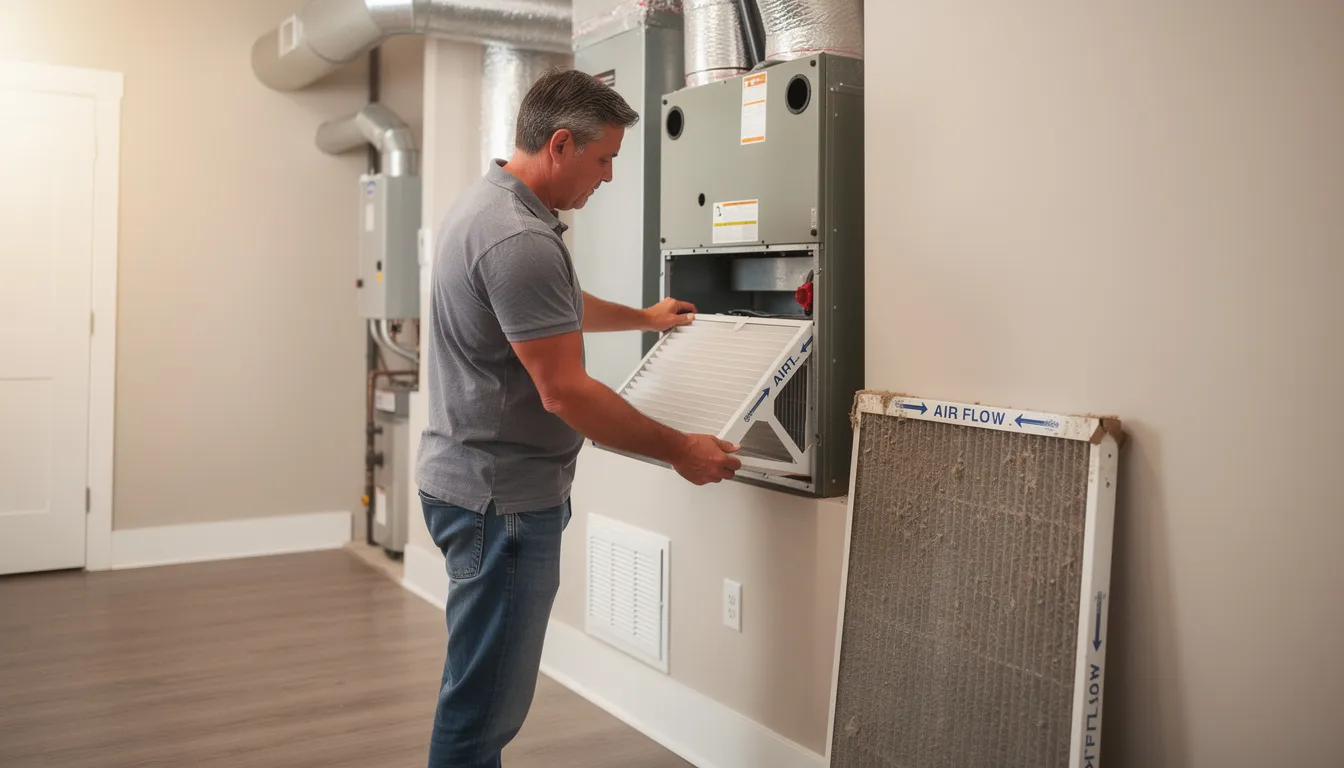
- Confirming proper filter size and condition
- Checking for blocked supply and return vents
- Noting duct issues that could affect performance or indoor air quality
These inspections help identify gas leaks, refrigerant leaks, and electrical hazards before they create dangerous situations or costly problems.
Why Colorado Springs Homeowners Need an HVAC Maintenance Plan
Colorado Springs presents unique challenges for home systems that don’t exist in most other parts of the country. At roughly 6,000 feet elevation, with dry conditions and temperature swings that can span 40 degrees in a single day, your HVAC equipment works harder than systems in milder climates.
Local climate factors that affect your equipment:
- Dry, dusty conditions clog outdoor units with debris and cause filters to load faster than manufacturer estimates
- Strong UV exposure at altitude accelerates wear on outdoor components, insulation, and wiring
- Rapid temperature changes force systems to cycle frequently, increasing wear on compressors and motors
- Heavy spring pollen can coat evaporator coils and restrict airflow
Winter lows in Colorado Springs regularly drop into single digits, making a mid-January furnace failure a real inconvenience. Similarly, summer highs above 90°F can turn an AC breakdown into a health hazard for elderly family members, young children, and pets.
Many Colorado Springs energy providers and equipment manufacturers recommend or require annual maintenance to keep warranties valid and efficiency ratings accurate. Skipping regular maintenance can void warranty coverage on a new system or new furnace, leaving you responsible for expensive repairs that might otherwise be covered.
Comfort, Reliability, and Peace of Mind
Beyond the technical details, regular HVAC maintenance directly improves your daily experience at home. Consider these real-world scenarios that maintenance prevents:
A technician discovers a weak capacitor during a routine May AC tune-up. The repair takes 20 minutes and costs maybe $150. Without that maintenance visit, the capacitor fails on July 4th weekend, leaving the family without cooling for three days while waiting for emergency service.
During a fall furnace maintenance visit, a technician finds a small crack developing in a 12-year-old heat exchanger. The homeowner schedules a controlled furnace replacement during October’s mild weather instead of facing an emergency installation during a December cold snap.
Families who travel frequently, have young children, or work from home particularly benefit from the reliability that maintenance agreements provide. Unexpected breakdowns disrupt routines, create stress, and often cost significantly more than planned service.
HVAC Maintenance Services and Pricing
It is recommended to verify that HVAC providers are licensed and insured and offer transparent pricing. Many HVAC companies offer flexible financing options for their maintenance services.
Keep in mind that though maintenance is an up-front cost, a well-maintained HVAC system can reduce energy consumption by 5-15%, which saves you money. Also, emergency repairs tend to be more expensive than the routine maintenance which prevents them.
DIY HVAC Care vs. Professional Maintenance Plans
Do you always need to call a technician to check your systems? What maintenance can you handle on your own? It’s a great question. Homeowners can take care of some basic upkeep on their own, but professional maintenance covers tasks that require specialized training, tools, and safety knowledge. The best approach combines both.
What Homeowners Can (and Should) Do
- Changing filters
- Clearing debris from outdoor unit
- Removing snow/ice from outdoor unit
- Keeping vents unobstructed
- Checking thermostat batteries
What Requires Professional Service
These tasks should be left to trained technicians:
- Opening equipment panels and accessing internal components
- Testing gas pressures and combustion efficiency
- Measuring carbon monoxide levels
- Checking refrigerant charge and identifying refrigerant leaks
- Cleaning evaporator coil and condenser coils with appropriate chemicals
- Inspecting electrical systems under load
- Verifying heat exchanger integrity
DIY efforts address surface-level issues, while professional maintenance uses instruments like combustion analyzers, refrigerant gauges, and digital multimeters that homeowners typically don’t have access to, or the training to use safely.
Common Problems Prevented by Regular Maintenance
At True North Heating, our technicians frequently catch a variety of issues during routine maintenance visits. Here are some things we commonly see:
Frozen evaporator coils caused by dirty filters, airflow restrictions, or incorrect refrigerant charge. Left unaddressed, this leads to complete cooling failure on the hottest summer days.
Cracked heat exchangers or venting issues that pose carbon monoxide risks, especially in older gas furnaces running heavily during December through February. This is a safety issue that can threaten lives.
Component wear including worn capacitors, failing blower motors, and dirty flame sensors. These parts are inexpensive to replace when found early but can cause complete system shutdowns if ignored until failure.
Hidden efficiency losses from duct leaks (which can waste up to 30% of conditioned air), blocked returns, or undersized filters. These issues quietly drive up energy bills and reduce comfort without obvious symptoms.
Regular maintenance visits catch these costly problems before they become emergencies. Call us today at 719-452-1800 if you’d like to schedule a maintenance visit!

Frequently Asked Questions
When is the best time of year to schedule HVAC maintenance in Colorado Springs?
Schedule AC maintenance between March and May before the first 85-90°F days arrive, and furnace maintenance between September and early November before nights regularly drop below freezing. Booking during these shoulder seasons also means shorter wait times since demand is lower than during peak heating or cooling periods.
How long does a typical maintenance visit take?
Most standard visits for a single furnace and AC system take approximately 60-90 minutes, depending on system age, accessibility, and whether any small issues are found and addressed on the spot. Multi-system homes or older equipment may require additional time for thorough inspection.
Do I still need a maintenance plan if my HVAC system is only a few years old?
Yes. Early maintenance keeps newer systems running at peak efficiency, helps protect manufacturer warranty coverage (which often requires documented annual service), and can catch installation or setup issues before they cause premature wear. Even a new system benefits from professional verification that everything is operating within specifications.
Can a maintenance plan help improve indoor air quality in my home?
While maintenance plans aren’t a complete air quality solution, they do support cleaner air by keeping filters, coils, and blowers clean. Technicians can also identify opportunities for better filtration, humidity control, or additional services like UV light installation or duct cleaning when air quality concerns exist.
What happens if technicians find a problem during my maintenance visit?
True North technicians will explain the issue clearly, provide repair options with transparent pricing, and only proceed with additional work after you approve. Members typically receive discounted repair rates depending on plan details. There’s never pressure to authorize repairs on the spot. You have time to make informed decisions about your equipment.